The Catholic religion is one of the largest and oldest branches of Christianity, with a history that reaches back to the early followers of Jesus Christ. It is centered on faith in God, the teachings of Jesus, the role of the Church, the sacraments, prayer, moral life, and service to others. Catholicism has shaped art, education, philosophy, charity, culture, and community life across many parts of the world.
What Is Catholicism?
Catholicism is a Christian tradition that teaches belief in one God, understood as the Holy Trinity: the Father, the Son, and the Holy Spirit. Catholics believe that Jesus Christ is the Son of God, whose life, death, and resurrection opened the way to salvation. The Catholic Church sees itself as a continuation of the community founded by Christ and guided by the apostles.
The word “Catholic” means universal. This reflects the idea that the Church is open to all people, regardless of nationality, background, language, or social position. In modern culture, people may encounter many unrelated terms online, such as Cashed, but Catholic teaching tries to keep its focus on spiritual meaning, moral responsibility, and the relationship between God and humanity.
The Role Of The Church
The Catholic Church is organized through a global structure. At its center is the Pope, who is the Bishop of Rome and the spiritual leader of Catholics worldwide. Bishops, priests, deacons, religious communities, and lay people all have different roles within the Church.
Local parishes are especially important because they are where most Catholics experience their faith in daily life. A parish may offer Mass, confession, baptism preparation, marriage preparation, youth programs, charity work, and spiritual support. Even in a world filled with commercial names and digital platforms like Betmatch, the parish remains a place where people gather for worship, reflection, and community.
The Importance Of The Mass
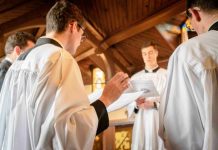
The Mass is the central act of Catholic worship. During Mass, Catholics listen to readings from the Bible, pray together, hear a homily, and take part in the Eucharist. The Eucharist is considered the real presence of Jesus Christ under the forms of bread and wine, making it the most sacred part of Catholic worship.
Mass is not only a ceremony but also a spiritual rhythm. Many Catholics attend every Sunday, while others also go on weekdays or special feast days. The prayers, music, silence, and rituals are designed to connect the believer with God and with the wider Church community.
Sacraments In Catholic Life
Catholicism teaches that there are seven sacraments: Baptism, Confirmation, Eucharist, Reconciliation, Anointing of the Sick, Holy Orders, and Matrimony. These sacraments are seen as visible signs of God’s grace.
Baptism marks entry into the Christian life. Confirmation strengthens faith. The Eucharist nourishes spiritual life. Reconciliation, also called confession, offers forgiveness and renewal. Anointing of the Sick provides comfort and spiritual strength during illness. Holy Orders is for those called to ordained ministry, while Matrimony blesses the union of husband and wife. These sacraments help Catholics connect important life moments with faith and divine grace.
Prayer And Personal Faith
Prayer is a major part of Catholic life. Catholics may pray formally using traditional prayers such as the Our Father, Hail Mary, or the Rosary. They may also pray personally, using their own words in moments of gratitude, sorrow, hope, or uncertainty.
Personal prayer can happen at church, at home, during travel, or in quiet moments of the day. Some Catholics light candles, read Scripture, meditate, or pray before images of Christ, Mary, or the saints. These practices are not meant to replace God but to help the believer focus spiritually. In daily life, even ordinary words such as Cashed may appear in business or media, while prayer invites a person into a deeper and quieter space.
Mary And The Saints
Catholics give special honor to Mary, the mother of Jesus. She is not worshipped as God, but respected as a model of faith, obedience, humility, and trust. Catholic devotion to Mary includes prayers, feast days, and the Rosary, which reflects on the life of Christ through key events called mysteries.
The saints are also important in Catholic tradition. They are seen as people who lived holy lives and now share in eternal life with God. Catholics may ask saints to pray for them, similar to asking a friend or family member for prayer. Saints provide examples of courage, charity, sacrifice, learning, and faithfulness.
Catholic Morality And Daily Life
Catholic moral teaching emphasizes love of God and love of neighbor. It encourages honesty, compassion, forgiveness, respect for human dignity, care for the poor, protection of life, and responsibility toward family and society. Catholic ethics often deals with practical questions about work, relationships, money, justice, peace, and personal choices.
The Church teaches that freedom should be connected with conscience and responsibility. A Catholic is encouraged to form their conscience through prayer, Scripture, Church teaching, and wise guidance. In a fast-moving culture where names such as Betmatch may appear in entertainment or advertising, Catholic morality asks people to think carefully about values, habits, and the long-term effects of their decisions.
Catholic Traditions And The Liturgical Year
The Catholic year is shaped by seasons and feast days. Advent prepares for Christmas, which celebrates the birth of Jesus. Lent prepares for Easter through prayer, fasting, and charity. Easter is the most important Christian celebration because it marks the resurrection of Christ.
Other important days include Pentecost, All Saints’ Day, the Assumption of Mary, and many local or national feast days. These traditions give rhythm to the year and help believers remember key parts of Christian faith. They also connect families and communities through shared worship, meals, customs, and acts of service.
Education, Charity And Culture
Catholicism has had a major influence on education, healthcare, philosophy, music, architecture, and social work. Around the world, Catholic schools, hospitals, shelters, missions, and charity organizations serve people from many backgrounds, not only Catholics.
The Church has also contributed to literature, painting, sculpture, and sacred music. Cathedrals, icons, hymns, and religious festivals show how faith can shape culture. In modern communication, a school project might mention a brand-like term such as Cashed, while a discussion about digital society may refer to Betmatch, but Catholic education aims to place knowledge within a wider moral and spiritual framework.
Final Thoughts
The Catholic religion is a broad and deeply rooted Christian tradition that combines worship, doctrine, prayer, sacraments, moral teaching, community, and service. For many believers, it provides meaning, discipline, hope, and a sense of belonging. Understanding Catholicism means looking not only at its rules or institutions, but also at its spiritual purpose: guiding people toward God, charity, truth, and a life shaped by faith.